Two dogs attacked a young girl under the age of ten recently at Evbukhu community close to Sacred Heart School and killed the child before people could rescue her..
The young child killed by the dog
Information had it that the child came on a visit to the house, so the dog was not familiar with the young child. As at the time of of this attack the young child was with the grandmother in the house.
It all started when the child came out, and the angry dogs attacked her, the shout of the child arouse the attention of the grandmother who quickly hold one of the dogs while the other was feasting on the child,…
According to eye witnesses, “the grandmother shouted for help as the dog was over powering her because of the size of the dog, but before neighbours could rescue the dogs has done too much harm on the young girl.
The neighbours who came in quickly hit a hard object on the head of the dog before it could release the child, unfortunately the young girl gave up before she could be rushed to the hospital..
Information revealed that the owner in anger killed both dogs after the incident..
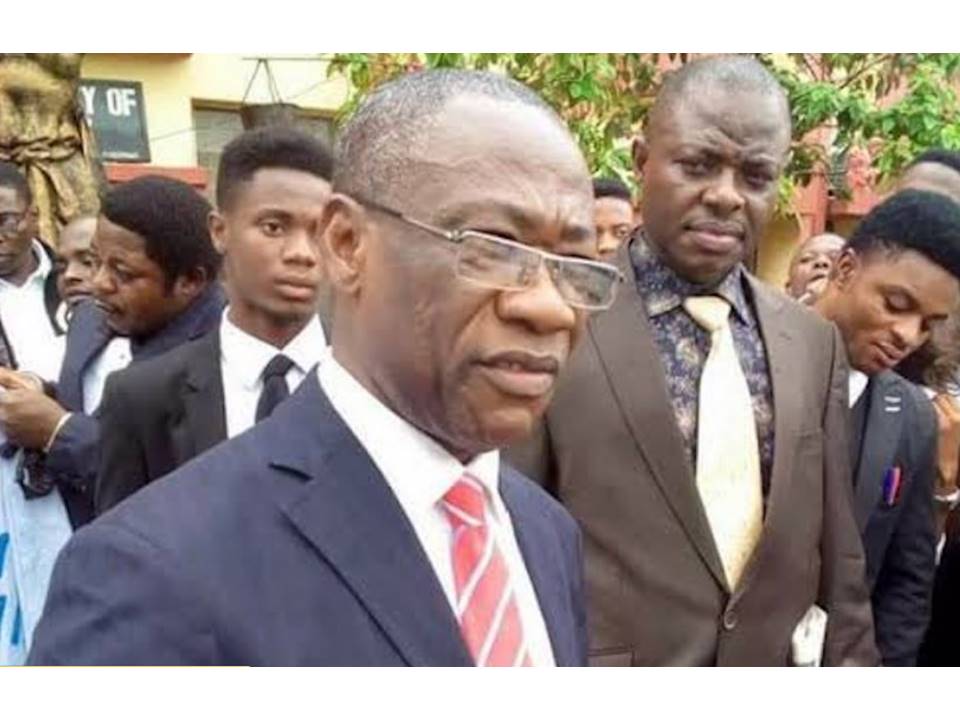
UNICAL lecturer Cyril Ndifon, the dean of the faculty of law accused of sexual harassment.
The management of the University of Calabar (UNICAL) has suspended Cyril Ndifon, the embattled dean of the faculty of law accused of sexual harassment.
The suspension was announced on Thursday in a letter signed by Gabriel Egbe, the varsity’s registrar.
Part of the letter stated: “Please refer to our letter Ref UC/REG/DISC.45A dated August 14, 2023, on your alleged violation of the provisions of the extant laws and policies of the University and your response to the said letter which was dated 16th August, 2023.”
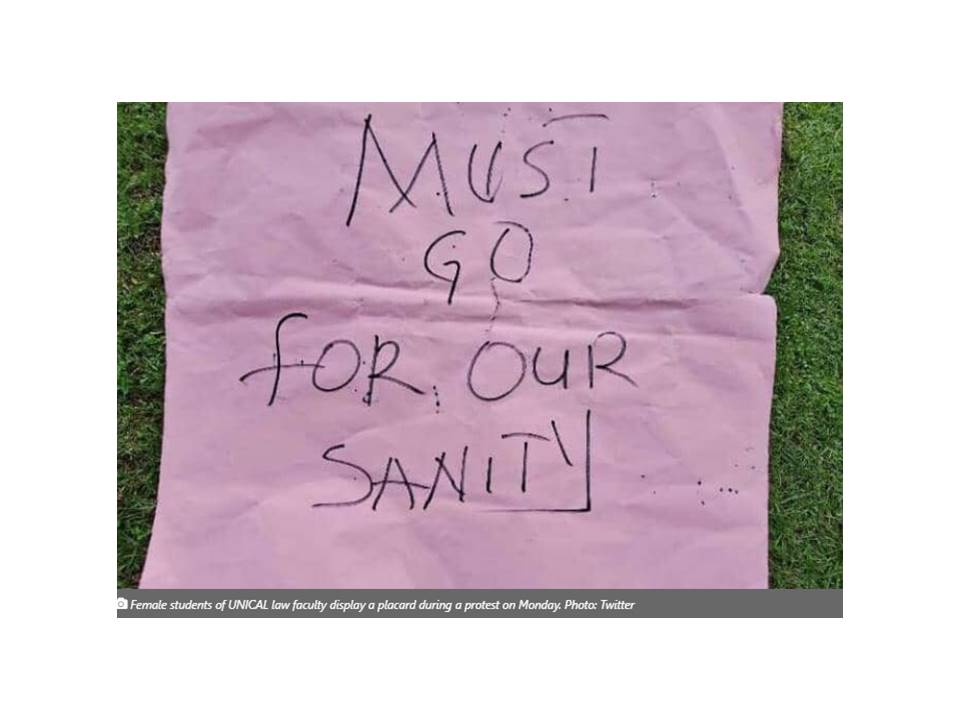
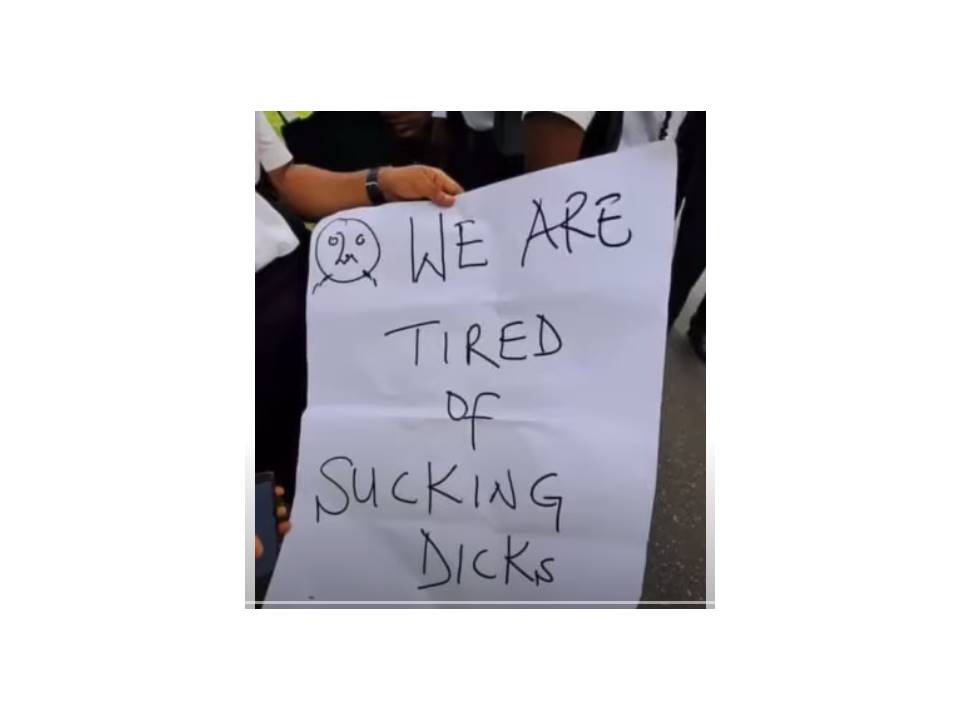
On Monday, some female students, led by Benedict Otu, the president of the Law Students Association of Nigeria (LAWSAN), held a protest, demanding the sack of Ndifon.
The students carried placards with inscriptions: “Professor Ndifon let the girls with big breasts breathe stop suffocating us”, “Enough of law school list manipulation”, and “Professor Ndifon must go for our sanity”.
The authorities of the institution on Wednesday began an investigation into the allegations against Ndifon.
Ndifon’s suspension is pending an investigation into the allegations and is also effective from August 17, 2023.
He was directed to transfer all the varsity’s property in his possession, along with his official responsibilities, before vacating his office.
Also, he was instructed to stay away from the school premises, except when responding to an invitation from the panel overseeing the investigation.
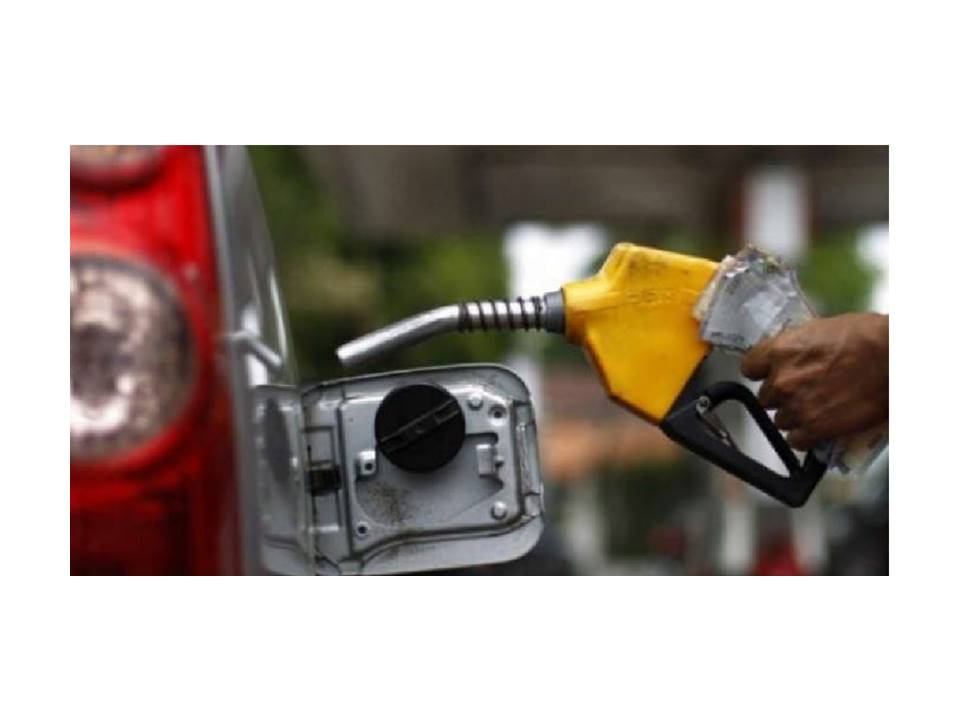
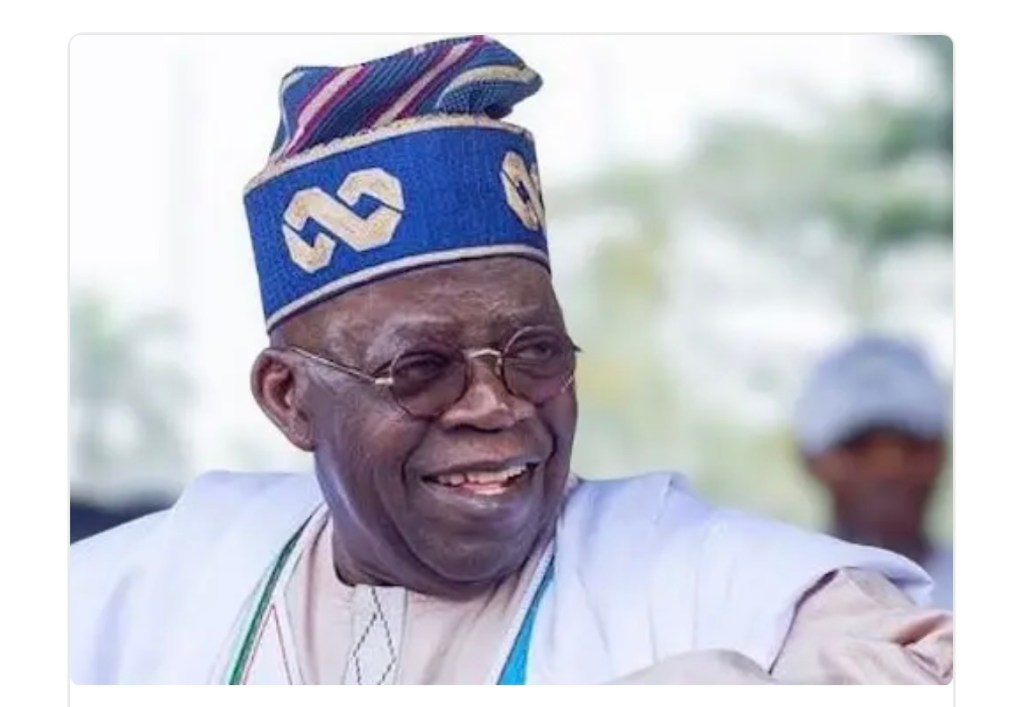
President Bola Tinubu has assured Nigerians that there will be no further increase in the pump price of petrol, despite the deregulation of the product.
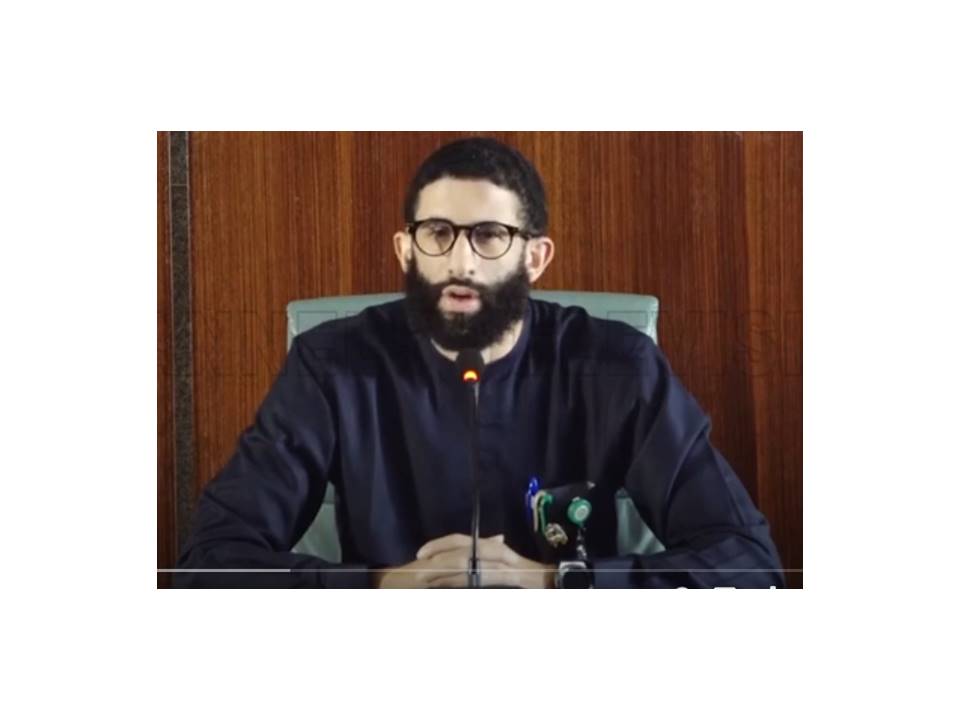
The Special Adviser to the President on Media and Publicity, Ajuri Ngelale, made this known in Abuja while briefing journalists after he had a closed-door meeting with the president on Tuesday.
“The president wishes to assure Nigerians, following the announcements by the Nigerian National Petroleum Company Limited (NNPC), just yesterday that there will be no increase in the pump price of petroleum motor spirit anywhere in the country,” the spokesperson said. “We repeat, the president affirms that there will be no increase in the pump price of petroleum motor spirit.”
Mr Tinubu also acknowledged that there are inefficiencies within the downstream sector that are contributing to the fuel price controversy. He assured that all loopholes associated with the smooth delivery of petroleum products in the country will be addressed without delay.
“The president also wishes to affirm that there are presently inefficiencies within the midstream and downstream petroleum sub-sectors that once very swiftly addressed and cleaned up will ensure that we can maintain prices where they are without having to resort to a reversal of this administration’s deregulation policy in the petroleum industry,” Mr Ngelale said.
Mr President wishes to assure Nigerians, following the announcement by the NNPC Limited just yesterday, that there will be no increase in the pump price of petroleum motor spirit anywhere in the country. We repeat, the President affirms that there will be no increase in the pump price of petroleum motor spirit.
“We also wish to affirm that the President is determined to maintain competitive tension within all subsectors of the petroleum industry. He is determined to ensure that our policy drawn up as well as policy implemented follows the cue that there will not be any single one entity dominating the market.”
The Presidency reminded Nigerians that the market has been deregulated and liberalised; hence, a steady movement forward in that direction without looking back.
He affirmed that there are presently inefficiencies within the midstream and downstream petroleum subsectors but maintained that government would swiftly address and clean up the sector to ensure that we can maintain prices where they are, without having to resort to a reversal of this administration’s deregulation policy in the petroleum industry.
Ngelale stated further: “I wish at this juncture to also provide a set of graphics which the President has authorised me to share with Nigerians that otherwise would be confidential. These are graphics supplied to Mr President by the NNPCL.
“In the graphic, what you will find is the present cost of refined petroleum motor spirit at the pump in each of the West African nations that neighbour us, and I’ll just name some for example, even as I know, you will be showing your audiences the graphics, which the President has graciously approved for public release today.
“Senegal at pump price today of N1,273 equivalent per litre, Guinea at N1,075 per litre, Côte d’ Ivore at N1,048 per litre equivalent in their currency, Mali N1,113 per litre, Central African Republic N1,414 per litre, Nigeria is presently averaging between N568 and N630 per litre.
“We are presently the cheapest, most affordable purchasing state in the West African sub-region by some distance. There is no country that is below N700 per litre.
“So this is the backdrop. At the inception of our deregulation policy on June 1, as Mr President took office, we have seen PMS consumption in the country drop immediately from 67 million litres per day down to 46 million litres per day consumption. The impact is evident.
“What it also does mean, though, is that we are not at the end of the tunnel. There is still a bit of darkness to travel through to get to the light. And we are pleading with Nigerians to please be patient with us. And as we promised from the beginning, we will be open with Nigerians and transparent with them.
“We are ready to show you exactly what it is that our nation is facing with respect to the illiquidity in the market in terms of foreign exchange as a result of what is now known to have been a gross mismanagement of the Central Bank of Nigeria over the course of several years preceding this time.
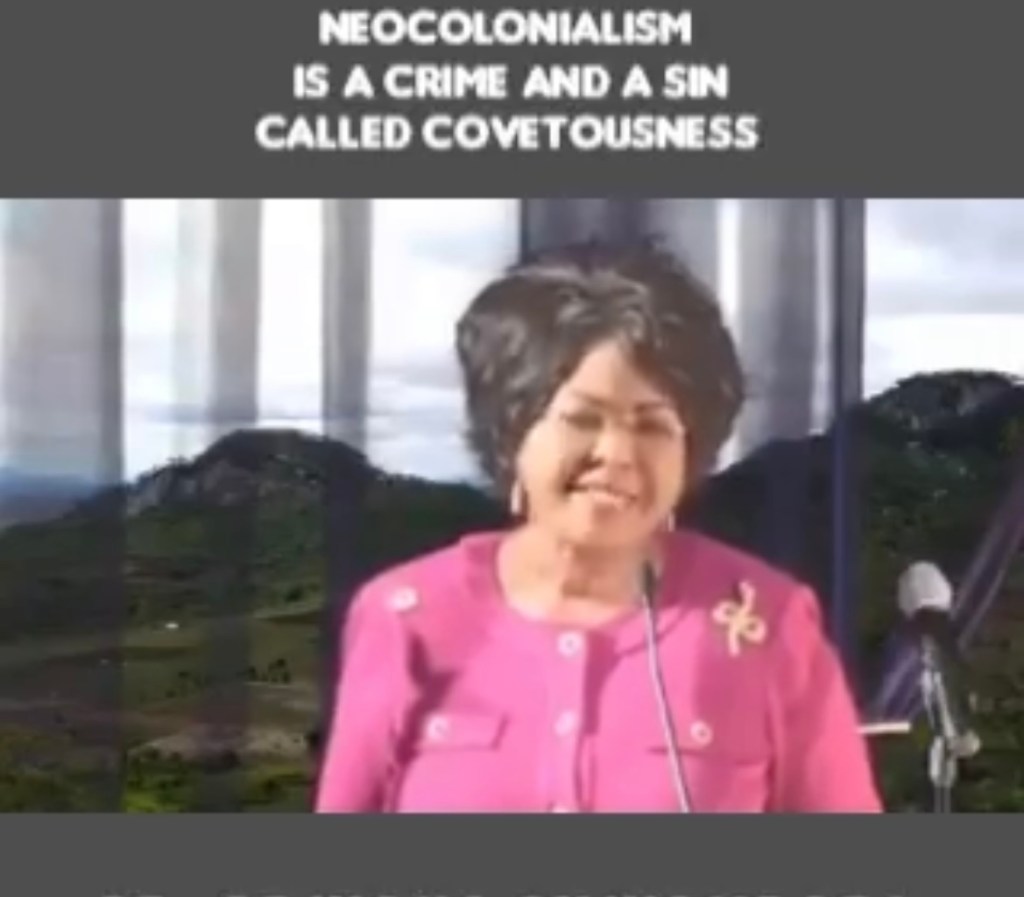
This woman is fearless. I’m sure she’s the reason why the spate of military coup d’etat in Francophone countries is on the rise and spreading. Kudos to her for opening the eyes of Francophone countries to seek their redemption from France’s stranglehold. Listen to how the African economy is being raped by Europeans.
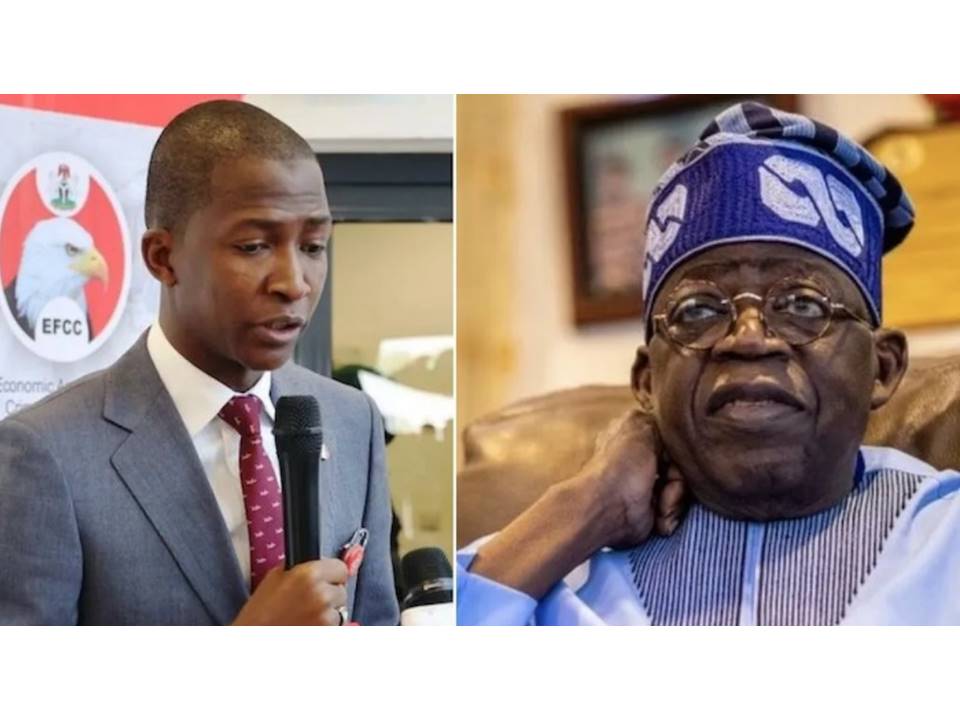
Suspended EFCC Chairman, Abdulrashed Bawa and President Bola Tinubu
The suspended chairman of the Economic and Financial Crimes Commission (EFCC), Abdulrasheed Bawa, has been in the custody of Nigeria’s domestic intelligence agency, the State Security Service (SSS), for over two months.
President Bola Tinubu suspended Mr Bawa from office on 14th June, and since then, the SSS has kept him in detention without explanations for his offences are and which law permits it to hold him for this long without charge.
On the authority of President Tinubu, the SSS has now held Mr Bawa in detention for 76 days – about two months and two weeks – without charge.
In addition, within that period, President Tinubu rewarded former Governor Bello Matawalle of Zamfara State, who was being investigated by the Bawa-led EFCC for allegedly diverting his state’s N70 billion, with a ministerial appointment. Another former governor, Atiku Bagudu of Kebbi State, who helped to launder late Nigeria’s kleptocratic dictator Sani Abacha’s loot, will also join Mr Matawalle in President Tinubu’s cabinet as a minister.
While the ministerial screening was going on, President Tinubu also made a push for former Governor Abdullahi Ganduje of Kano State, despite his unresolved videoed bribery scandal, to become the chairperson of his party, the All Progressives Congress (APC). Mr Ganduje is now the face of the change-promising party that came to power in 2015, promising to fight corruption. Watch video……
The world bank said “no new public financing to Uganda will be presented to our Board of Executive Directors until the efficacy of the additional measures has been tested.”
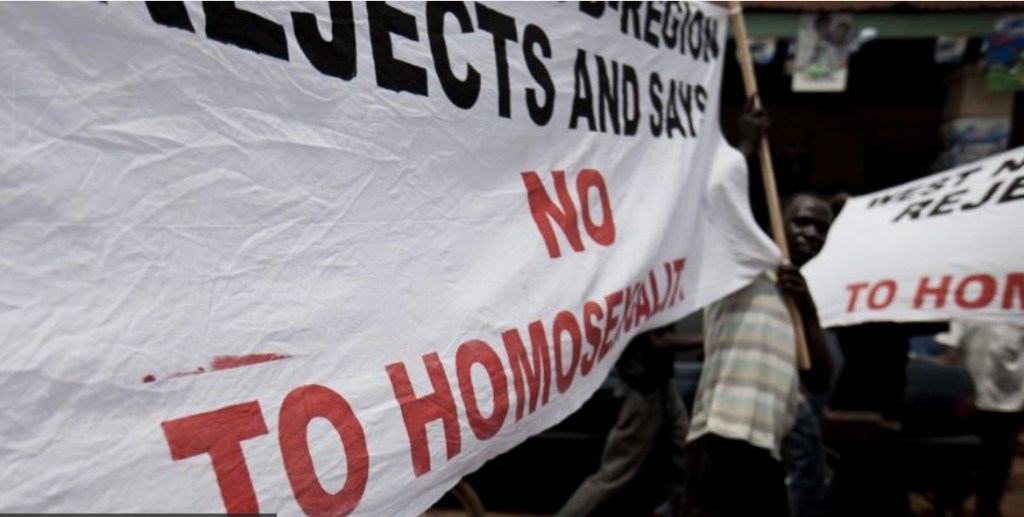
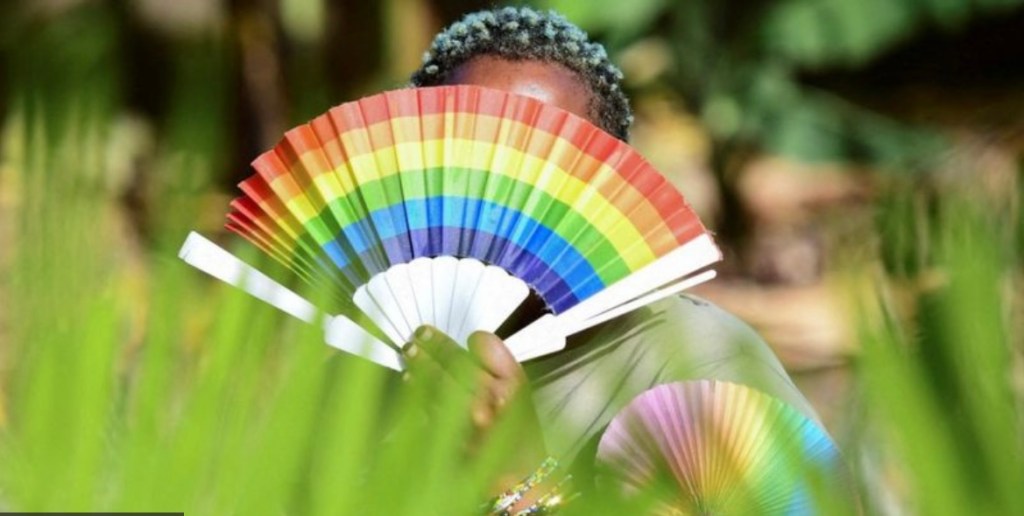
The World Bank Group on Tuesday said it is suspending new public financing to Uganda over the country’s enactment of its new Anti-Homosexuality Act.
The bank, in a statement on Tuesday, said Uganda’s law contradicted its moral values of eradicating poverty without discrimination.
The World Bank decision came after pressure from human rights organizations and members of the United States Congress to suspend loans to Uganda in response to the country’s Anti-Homosexuality Act.
On 29 May, Uganda’s President Yoweri Museveni signed a bill criminalising same-sex conduct, including potentially the death penalty for those convicted of “aggravated homosexuality,” into law.
According to Human Rights Watch, the Anti-Homosexuality Act of 2023 violates multiple fundamental rights guaranteed under Uganda’s constitution and breaks commitments made by the government as a signatory to some international human rights agreements.
In May, the United States (US) President, Joe Biden, described the enactment of the Act as a “tragic violation of universal human rights, one that is not worthy of the Ugandan people, and one that jeopardizes the prospects of critical economic growth for the entire country.”
“My Administration will also incorporate the impacts of the law into our review of Uganda’s eligibility for the African Growth and Opportunity Act (AGOA). We are considering additional steps, including the application of sanctions and restriction of entry into the United States against anyone involved in serious human rights abuses or corruption,” Mr Biden said.
In July, the US Congress called on the World Bank President, Ajay Banga, “to immediately postpone and suspend all current and future lending to Uganda” until the law is struck down.
As Members committed to protecting the rights of LGBTQ+ people globally, we urge you to immediately postpone and suspend all current and future lending to Uganda until the recent Anti-Homosexuality Act, signed by President Yoweri Museveni on May 29, 2023, is struck down.
“While we undoubtedly support efforts to promote long-term economic development and poverty reduction in Uganda, the recent law mandates state-sponsored discrimination and violence against LGBTQ+ individuals, creating a humanitarian crisis that plainly violates World Bank stated policies.
We join more than 170 international organizations in urging you to act swiftly so that the World Bank is a leader among multilateral development banks (MDBs) in condemning this egregious and unjust law that threatens LGBTQ+ people across Uganda,” the US Congress said in a letter to Mr Banga.
On Tuesday, the world bank said “Uganda’s Anti-Homosexuality Act fundamentally contradicts the World Bank Group’s values
“We believe our vision to eradicate poverty on a livable planet can only succeed if it includes everyone irrespective of race, gender, or sexuality. This law undermines those efforts. Inclusion and non-discrimination sit at the heart of our work around the world,” the world bank said.
Immediately after the law was enacted, the World Bank said it deployed a team to Uganda to review its portfolio in the context of the new legislation.
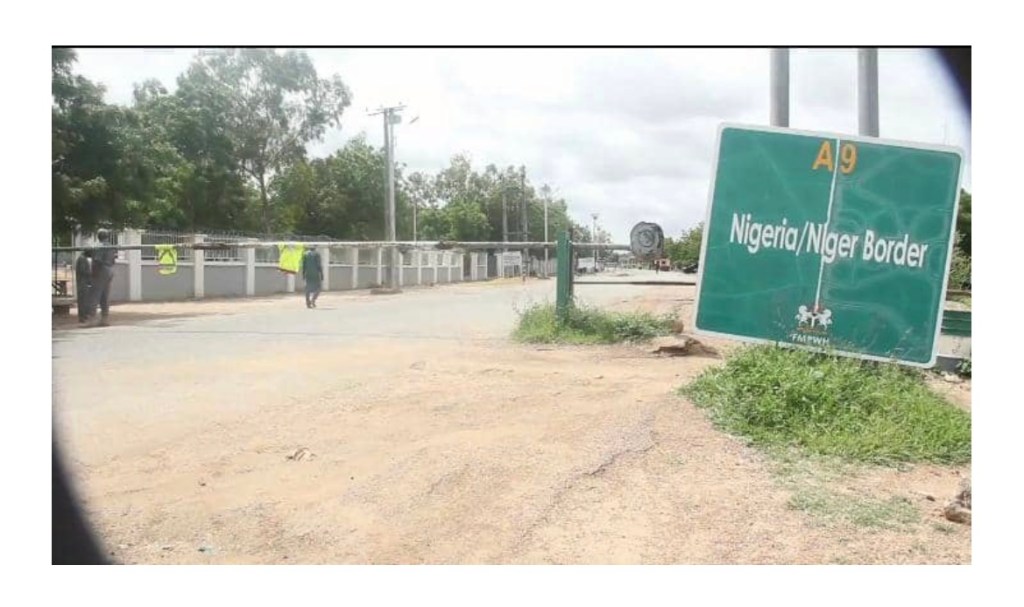
The Economic community of west African states-ECOWAS has imposed sanctions on Niger with the hope to have President Mohamed Bazoum reinstated.
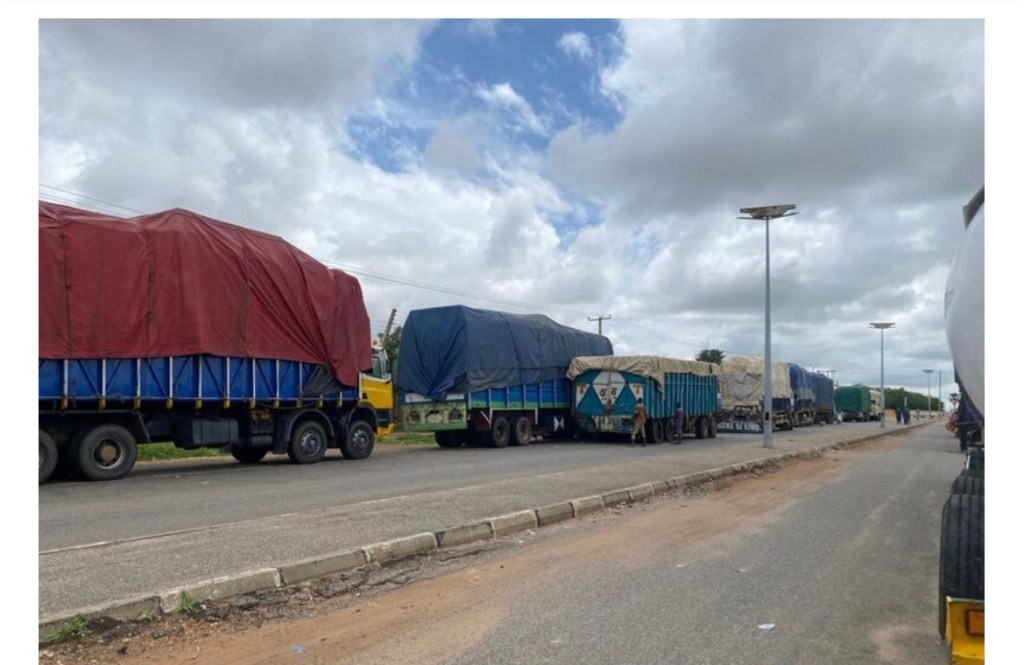
ECOWAS stated on 30th July 2023, the following measures are to be applied with immediate effect: Closure of land and air borders between ECOWAS countries and Niger; Suspension of all commercial and financial transactions between ECOWASMember States and Niger.
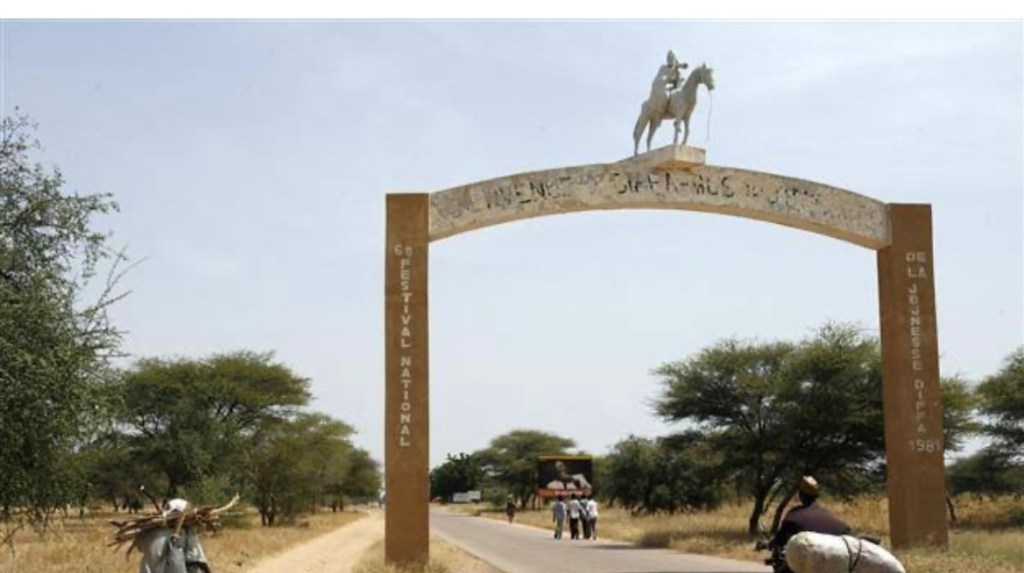
ECOWAS countries resolved to close their borders with Niger until the coup plotters in the country hand over power back to the detained president, Mohamed Bazoum.
The Nigeria Customs Service has joint operations with other security agencies at the border drill and they have been deployed to the border areas to carry out the implementation of the border closure order. The compliance has to be 100 per cent which means that all in-bound and out-bound cargoes in and out of Nigeria will not be allowed during the period of border closure.
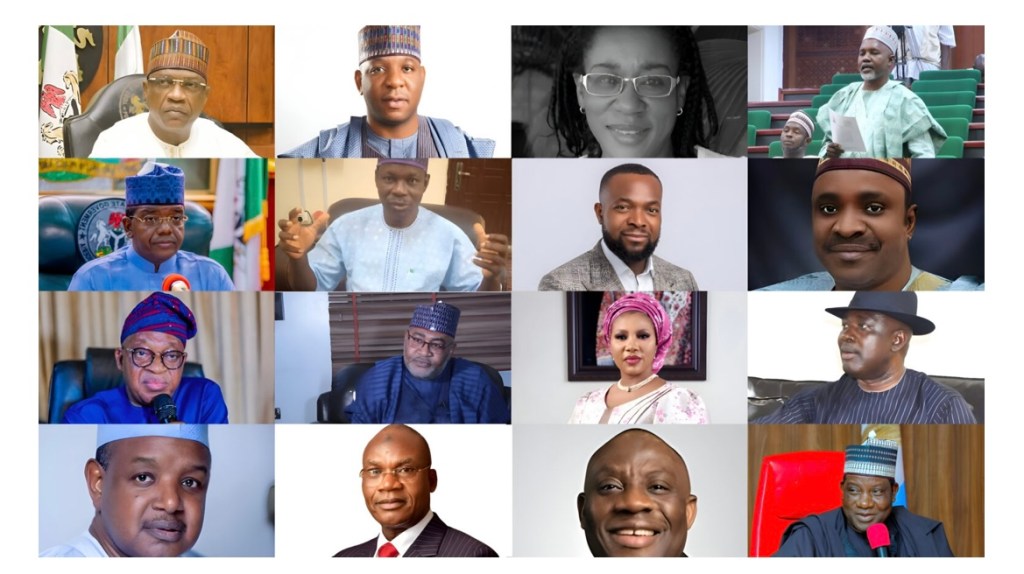
President Bola Tinubu on Wednesday 2nd 2023 forwarded a fresh list of 19 ministerial nominees to the Senate for confirmation.
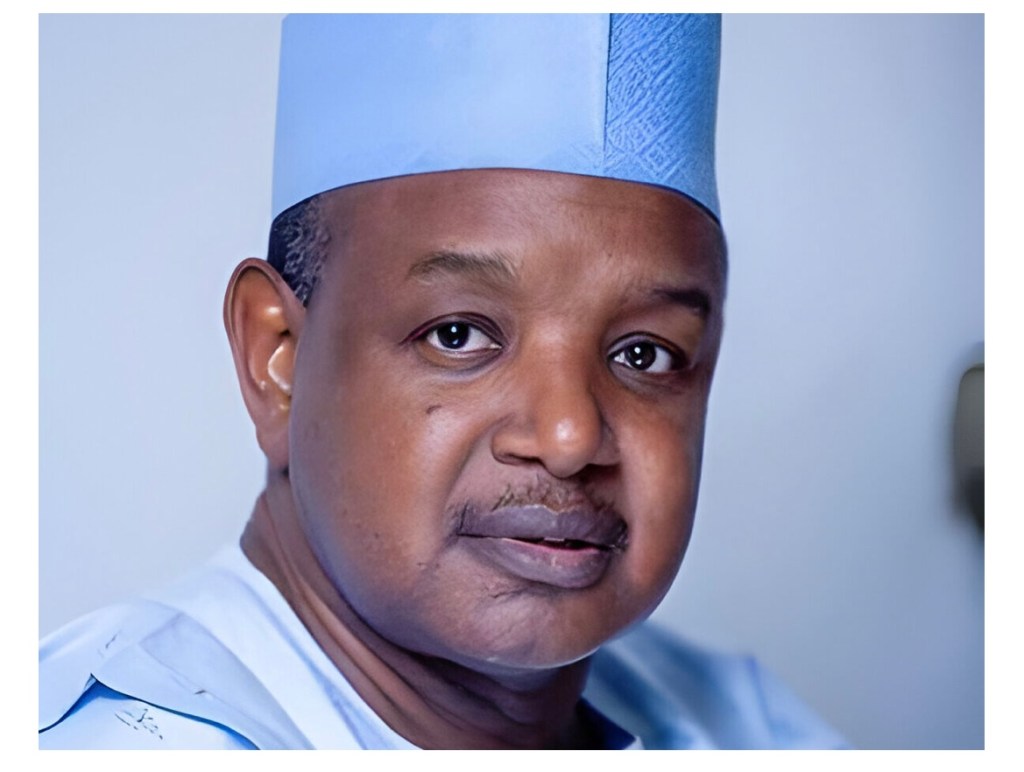
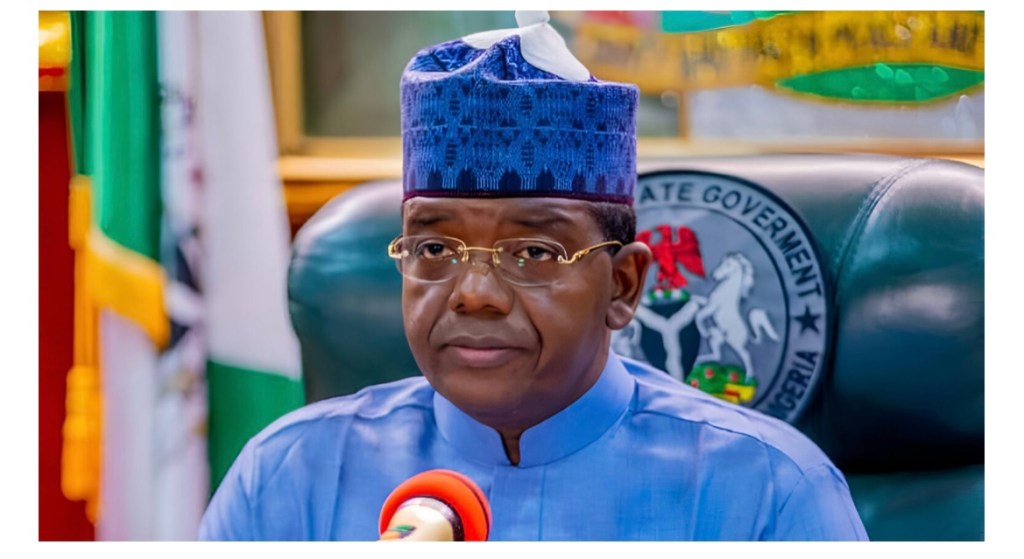
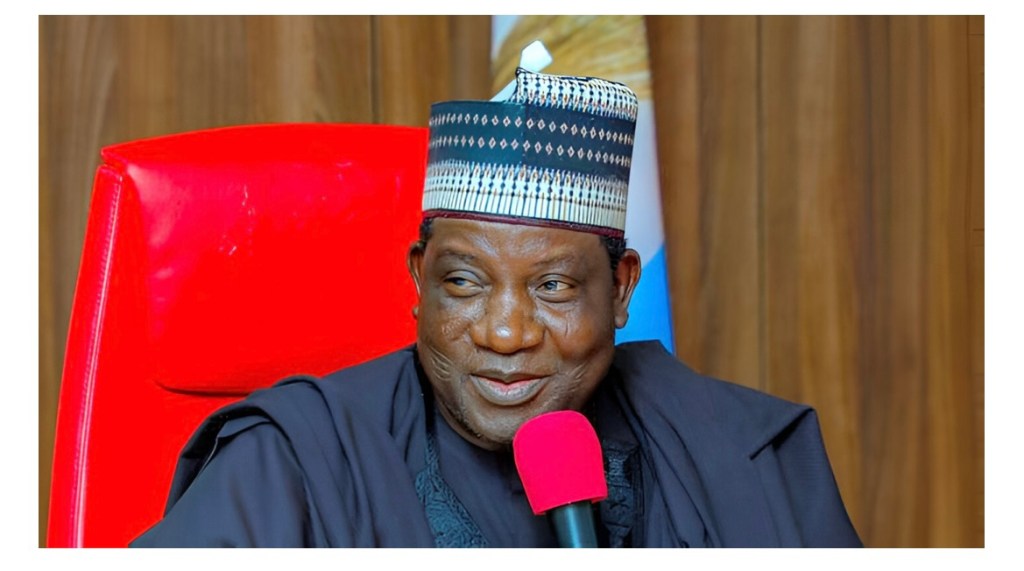
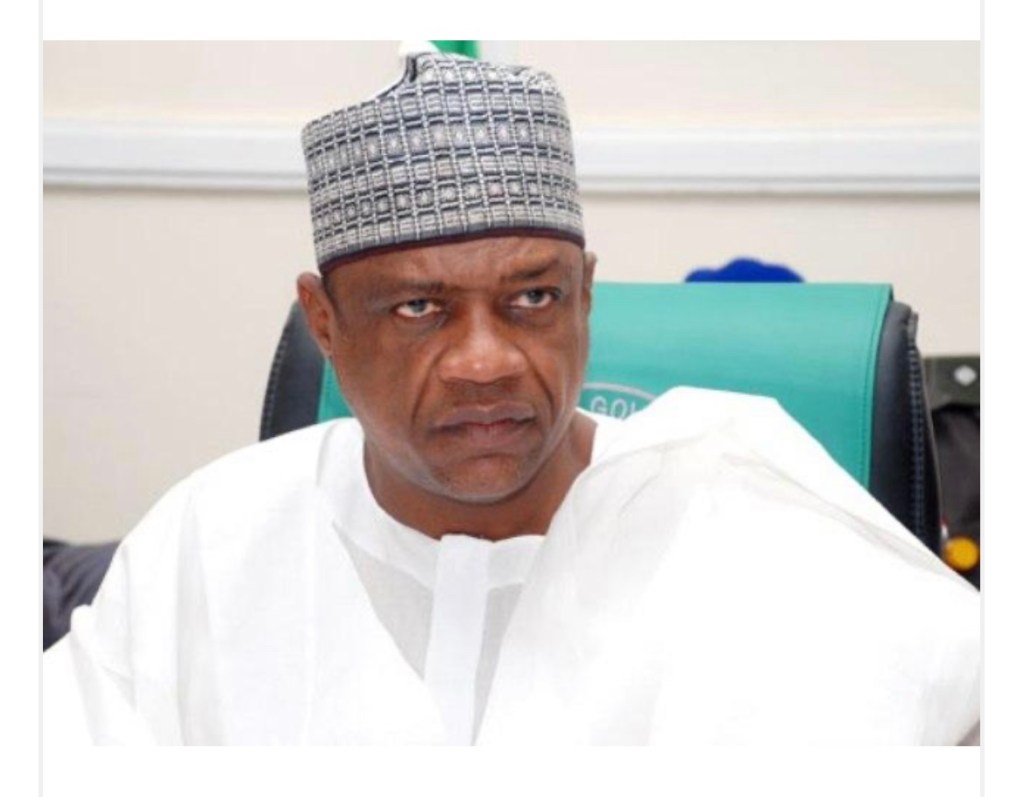
The nominees include five former governors, former lawmakers and professionals. The new list brings the total number of nominees to 47. If all of them scale Senate screening, Nigeria will seem to have its largest federal cabinet since 1999.
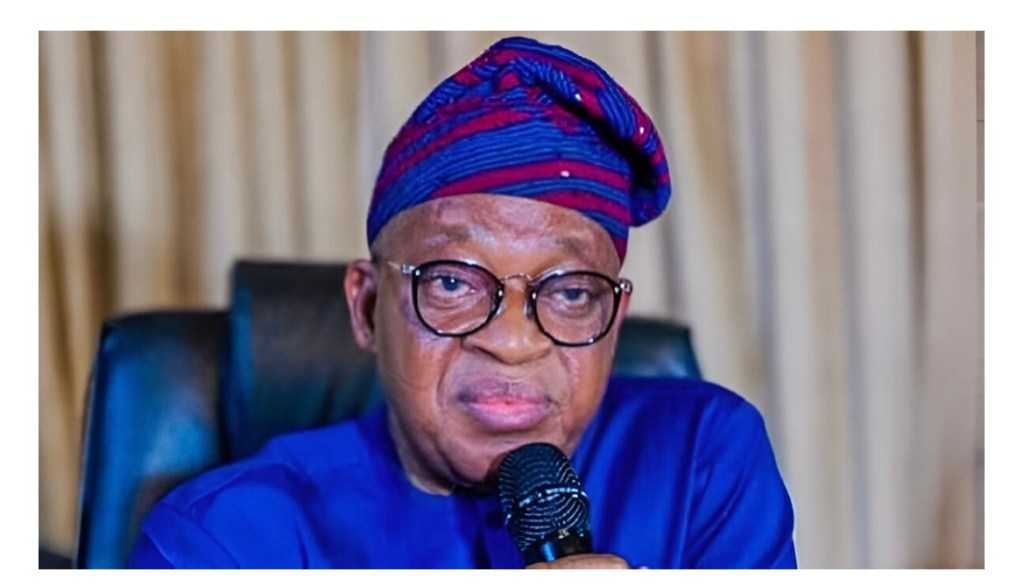
Adegboyega Oyetola
Mr Oyetola served a single term as governor of Osun State between 2018 and 2022. He ran for re-election again as the candidate of the All Progressives Congress (APC) in 2022 but was defeated by Ademola Adeleke of the Peoples Democratic Party (PDP).
Mr Oyetola was the third governor in the state since 2003 to lose a re-election bid, including Olagunsoye Oyinlola whose victory was voided by the court three years after he was sworn in for a second term.
Mr Oyetola was born in Iragbiji, Boripe Local Government Area of Osun State on 29 September 1954. He completed his secondary education at Ifeoluwa Grammar School, Osogbo in 1972.
He then obtained a Bachelor of Science degree in Insurance from the University of Lagos in 1978. While observing the one-year mandatory National Youth Service Corps (NYSC) in Potiskum, Yobe State in 1979, he lectured at the Staff Training Centre. He later obtained a Master of Business Administration (MBA) degree from the University of Lagos in 1990.
Mr Oyetola joined Leadway Assurance Company Limited as an area manager in 1980. In 1987, he resigned from the company and joined Crusader Insurance Company Limited as Underwriting Manager and worked there till 1990. He joined Alliance and General Insurance as Technical Controller until 1991 when he started his own company, Silvertrust Insurance Brokers Limited. Mr Oyetola was the managing director of the company until 2011 when he was appointed as Chief of Staff to former Governor of Osun State, Rauf Aregbesola.
However, before his entrance into public service, Mr Oyetola also served as Executive Vice Chairman of Paragon Group of Companies between 2005 and 2011. He was also Chairman of Ebony Properties Limited. He had also been a Director of Pyramid Securities Limited, until 2011. He is an Associate Member of the Chartered Insurance Institute in London and Nigeria. He is also a member of the Nigeria Institute of Management (NIM).
2.Abubakar Atiku Bagudu
Mr Bagudu was arrested and extradited from Houston, Texas in the United States at the request of Jersey, where he had set up a shell company called Doraville Properties to launder funds stolen from Nigeria. Following a settlement, he returned $160 million in exchange for deportation to Nigeria to face trial. But he was never questioned after returning to Nigeria.
In 2014, the US Department of Justice announced the repatriation of $480 million from the Abacha loot. In its complaint, the US government alleged that the late dictator, his son Mohammed, Mr Bagudu and others stole billions of dollars from the Nigerian government and others, then laundered the money through U financial institutions and the purchase of bonds backed by the United States.
In February 2020, the U.S. government entered into a trilateral agreement with Nigeria and Jersey to repatriate over $300 million in additional money that Mr Bagudu played a role in stealing during the Abacha regime. The US announced that it was continuing to seek forfeiture of over $177 million in additional laundered funds held in trusts that name Mr Bagudu and his relatives as beneficiaries.
Mr Bagudu was born on 26 December 1961 into a wealthy family. His father was the former director of the Kebbi Primary Education Board. He obtained a Bachelor of Science degree in Economics from Usman Dan Fodio University, Sokoto and a Master’s degree in Economics from the University of Jos, where he also took a Master’s degree in International Affairs.
3.Bello Matawalle
Mr Matawalle became governor of Zamfara in fortuitous circumstances in 2019 but lost the seat after only one term. He had contested as the candidate of the opposition PDP and INEC returned Muktar Idris of the APC as the winner of the election. However, the Supreme Court later declared that the APC did not validly nominate all its candidates in the state for the elections and ordered INEC to return Mr Matawalle and the candidates in the other elections who polled the most votes after those of the APC candidates had been voided. The APC had failed to conduct legally valid primary elections in Zamfara State. Mr Matawalle later resigned from PDP and joined the APC. He ran as the APC candidate in 2023 but lost the election to the PDP candidate, Dauda Lawal.
Mr Matawalle was born on 12 February 1969 in Maradun, Zamfara State. He obtained First School Leaving Certificate from Maradun Township Primary School in 1979 and graduated from VTC Bunza in 1984. He attended Yaba College of Technology, Lagos and later proceeded to Thames Valley University, London.
He worked as a teacher at Government Girls College Moriki and Kwatarkoshi before joining the Federal Ministry of Water Resources. Mr Matawalle’s first appearance in politics was in 1998 when he was elected to the state House of Assembly as a candidate of the Abacha-era United Nigeria Congress Party (UNCP). However, the House was never inaugurated.
Mr Matawalle served as a commissioner from 1999 to 2003 in the Ahmad Yerima administration before being elected in 2003 to the House of Representatives from the Bakura/Maradun federal constituency under the platform of the defunct All Nigeria Peoples Party.
4. Simon Lalong
Mr Lalong concluded his second consecutive term as governor of Plateau State at the end of May. He was the director-general of the APC presidential campaign council which delivered Mr Tinubu as president. He was also the chairman of the Northern Governors Forum, whose members in the APC were instrumental in the return of a southern aspirant as the presidential candidate of the APC in 2022.
In the 2023 general election, Mr Lalong also ran for the Senate but lost the Plateau South district seat to Napoleon Bali of the PDP.
Mr Lalong started his political career in 1998 when he was elected into the Plateau State House of Assembly from Shendam Constituency under the platform of the PDP. He became Speaker of the Assembly in 2000 but was removed from the position during his second term in 2006. His seven years on the seat made him the longest-serving speaker of the House. During that period, he was twice elected as the Chairman of the Conference of Speakers of the 36 states of Nigeria.
Mr Lalong was born on 5 May 1963 in Shendam, Plateau State. He had his elementary and secondary school education in the local government area before attending the School of Preliminary Studies, Keffi where he graduated in 1986. He obtained a bachelor’s degree in Law from Ahmadu Bello University, Zaria in 1990. He went to the Nigerian Law School in Lagos and was called to the bar. Mr Lalong also obtained a master’s degree in Law from the University of Jos in 1996.
5. Ibrahim Gaidam
Mr Gaidam served as governor of Yobe State for 10 years across three terms from January 2009 to May 2019. He then moved to the Senate to represent the Yobe East district and was reelected in 2023. He is the second serving senator among the 47 ministerial nominees of Mr Tinubu, after David Umahi of Ebonyi State.
Mr Gaidam started his political career in 1995 when he was appointed the Commissioner for Youths and Sports and later Commissioner of Commerce and Industries. In 2007, he was elected Deputy Governor of Yobe State on the ANPP platform. His boss, Governor Mamman Ali died in January 2009 and Mr Gaidam was sworn in as governor on January 27, 2009. He was reelected in 2011 and 2015.
Mr Gaidam was born on 15 September 1956 in Bukarti village, Yunusari Local Government Area in the old Borno but now in Yobe State. He attended the Borno Teachers’ College (BTC), Maiduguri from 1974 to 1979, where he obtained a Teachers’ Certificate. He proceeded to Ahmadu Bello University, Zaria to obtain a Diploma in Accountancy between 1981 and 1983. He returned to Ahmadu Bello University to obtain a Bachelor’s degree in Accountancy in 1990 and became a member of the Certified Public Accountants of Nigeria.
Mr Gaidam worked as an accountant in several government ministries in Yobe State. He was assistant director of Finance in the Directorate of Foods, Roads and Rural Infrastructure. He was also acting Director of Finance and Supplies in the Yobe Information and Culture Ministry.
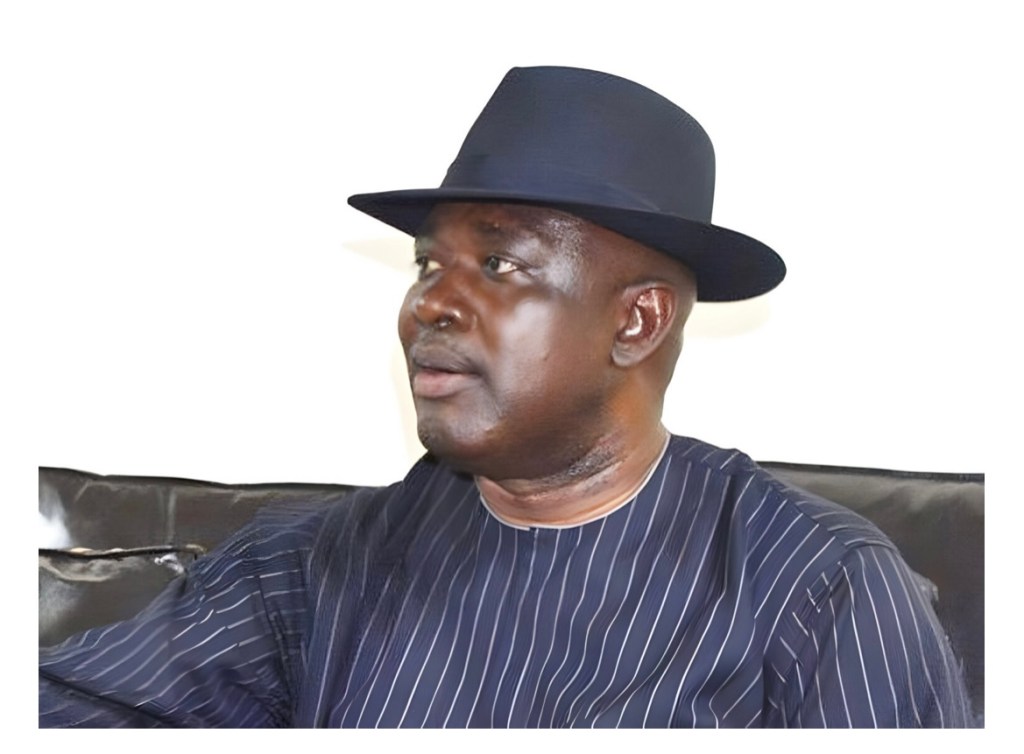
6. Heineken Lokpobiri
Mr Lokpobiri served two terms in the Senate before being appointed minister in 2015 by President Muhammadu Buhari, shortly after his defection from the PDP to the APC.
He had before then been a member of the Bayelsa State House of Assembly from 1999 to 2003 and was Speaker of the House from June 1999 to May 2001.
Mr Lokpobiri was first elected to the Senate from Bayelsa West district in 2007 and served in various Senate committees, including Sports, Public Accounts, Police Affairs, Niger Delta and Millennium Development Goals. He was Chairman of the Senate Ad-hoc Committee on Transport.
In 2011, Mr Lokpobiri was reelected into the Senate also on the platform of PDP but had to overcome serious challenges to the election. After announcing him as the winner, INEC declared that the election was fraught with “widespread irregularities”. A few minutes after the announcement, Mr Lokpobiri was arrested by State Security Service. INEC planned to conduct a rerun election in Sagbama and Ekeremor local government areas on 28 April 2011, but Mr Lokpobiri challenged the decision and got a high court order in Yenagoa restraining the electoral umpire from conducting the election until the challenge was resolved. Mr Lokpobiri therefore, took his seat in the Senate and was appointed chairman of the committee on Water Resources and a member of the committee on Solid Minerals.
In 2015, he decamped from the then-ruling PDP to the APC. He was later appointed Minister of State for Agriculture and Rural Development by Mr Buhari.
Mr Lokpobiri was born on 3 March 1967. He bagged an LL.B (Hons) in Law in 1994 from Rivers State University of Science and Technology, Port Harcourt. He is an expert in Environmental Rights and Environmental Law and also holds a doctoral degree from Leeds Beckett University, UK which he obtained in 2015.
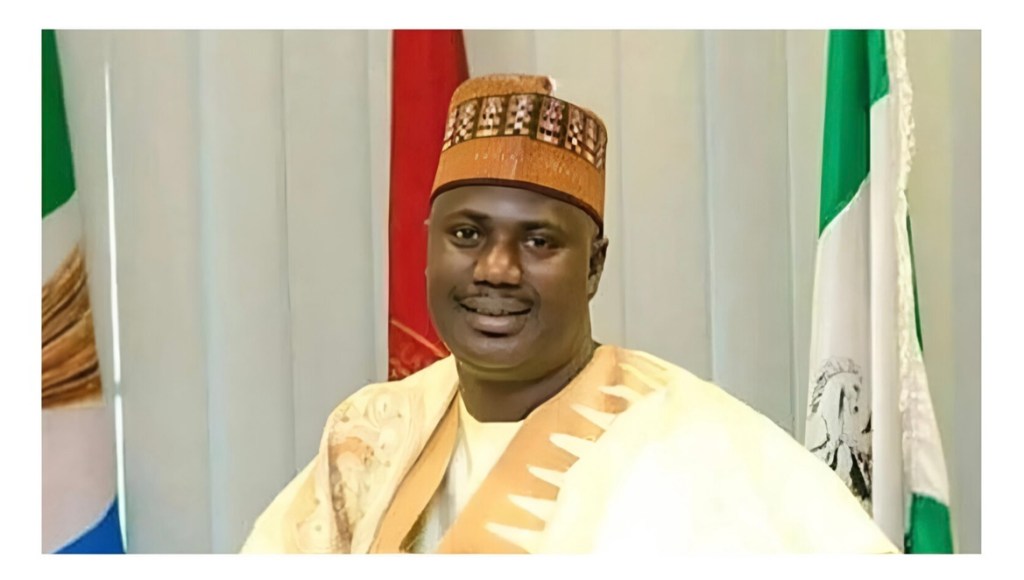
7. Sa’idu Ahmed Alkali
Mr Alkali is a four-term senator from Gombe State, serving between 2010 and 2023. He first got to the Senate in 2010 through a bye-election after the Gombe North seat was made vacant due to the death of the incumbent, Kawu Dukku. Mr Alkali won that election as the candidate of the PDP and was reelected in 2011. He defected to the APC in 2015 and was again reelected to the seat that year and in 2019.
Before going to Abuja, he was appointed Commissioner of Information in Gombe State by then Governor Danjuma Goje as governor of the state.
Mr Alkali sought to return to the Senate for the fifth time but lost the 2023 election to a former governor of the state, Ibrahim Dankwambo in a reversal of the 2019 result when Mr Alkali defeated Mr Dankwambo.
Mr Alkali was born on 12 February 1969. He obtained a Bachelor of Science Degree in Economics and became a public servant. He holds the honorary title of Sarkin Gabas Dukku
8. Aliyu Sabi Abdullahi
Mr Abdullahi served two terms in the Senate between 2015 and 2023, representing the Niger North District on the platform of the APC.
In 2019, Mr Abdullahi sponsored the controversial National Commission for the Prohibition of Hate Speech bill, which critics feared was an attempt to gag the press and restrict free speech in Nigeria. The bill created lots of reactions across the country, particularly the death penalty clause, which Mr Abdullahi promised would be amended during consideration by the Senate.
Although he defended the bill as necessary to tackle hate speech, which he described as the root cause of political violence, the bill was eventually not passed by federal lawmakers.
Mr Abdullahi lost his bid for a third term in the Senate when he was defeated in the APC primary.
Mr Abdullahi was born on 10 January 1967. In October 2022, President Buhari conferred him with the national honour of Commander Of The Order Of The Niger (CON).
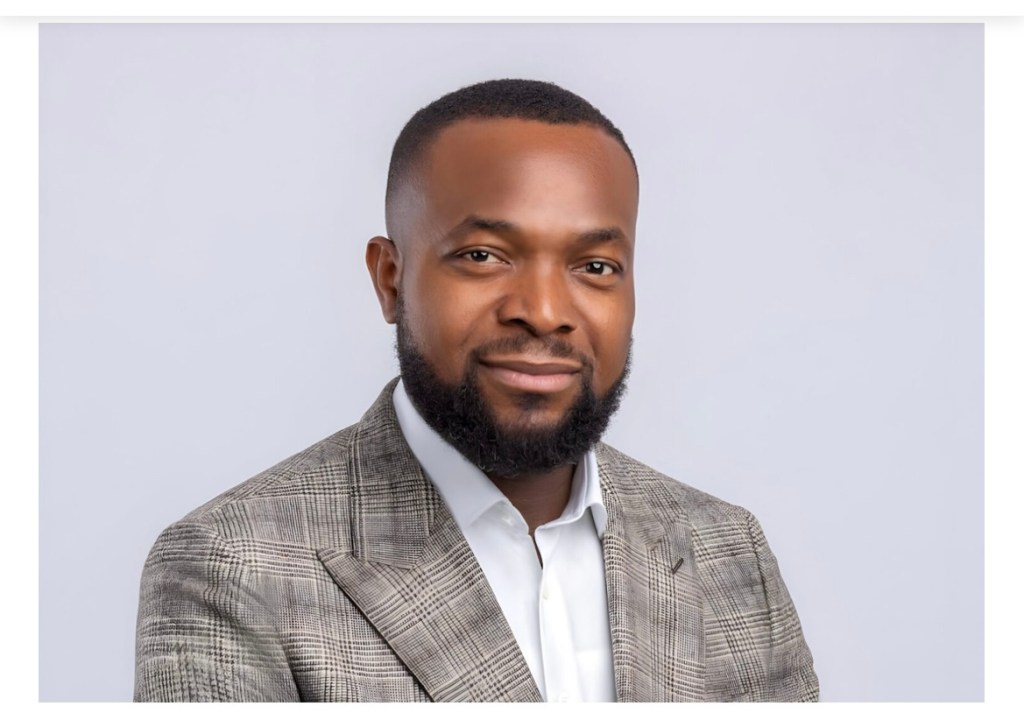
9. Olatunbosun Tijani
Mr Tijani is a Nigerian-British entrepreneur, co-founder and CEO of Co-Creation Hub (CcHUB), a leading Pan-African innovation and technology centre.
In 2023, Mr Tijani earned a PhD in innovation and economic development from the School of Business, University of Leicester. His doctoral research focussed on contributing to a better understanding of how the network perspective on innovation capacity could provide a contextually relevant framework for explaining the adoption and adaptation of innovation in developing countries and specifically offer an alternative path to how African countries could effectively organize their innovation ecosystems.
Mr Tijani was part of the Innovation for Economic Development executive programme at Harvard Kennedy School in 2013 and was a 2014 Draper Hills Fellow of the Centre for Democracy, Development and the Rule of Law (CDDRL) at Stanford University.
Mr Tijani is widely acknowledged as a pioneer and industry leader in the African technology ecosystem and was named one of the 100 Most Influential People on the continent by New Africa Magazine. He initiated the first visit of Mark Zuckerberg to Nigeria in August 2016 as part of efforts to place Africa on the global technology map. He has also hosted other global technology leaders in Nigeria, including former Twitter CEO Jack Dorsey in 2019 and most recently in June 2023, hosted a fireside chat with Microsoft founder and co-Chair of the Bill and Melinda Gates Foundation, Bill Gates.
Mr Tijani was born on 20 July 1977 in Agege, Lagos State. He had his secondary school education in Abeokuta, Ogun State. In 1996 he secured a Diploma in Computer Science from the University of Jos and obtained a bachelor’s degree in Economics in 2002. He later obtained an MSc in Information Systems and Management from the Warwick Business School, United Kingdom in 2007.
10. Maryam Shettima
Ms Shettima is the national leader of #WeBelieve, an APC support group that promotes the achievements of former President Muhammadu Buhari’s administration. She’s popularly known as Maryam Shetty.
Ms Shettima is a political and social activist and a physiotherapist. Born into the Kano royal family, Ms Shettima started her early education in Kano and went to the Federal School of Physiotherapy at Bayero University, Kano where she obtained her Bachelor’s degree.
She worked briefly with Dala Orthopedic and Mallam Aminu Kano Teaching Hospitals in Kano before going to London where she obtained a master’s degree from the University of East London, Stratford, majoring in sports physiotherapy.
She was on the medical team of the London Olympics where she worked with top-tier athletes, including world sprints record holder, Jamaica’s Usain Bolt.
Ms Shettima also obtained a certificate and became a practitioner of Kingian Non-Violence, inspired by Martin Luther King Jr. from Emory University in the United States. She also bagged a Public Policy Challenges of the 21st Century Certificate from the University of Virginia.
She has extensive experience working both within the clinical and international development sector having previously worked with the UKAid-funded programme – PATHS 2, the State House Clinic at the Presidential Villa and the Child Care and Wellness.
Ms Shettima is involved in philanthropic initiatives, especially in the area of education and led the rehabilitation of schools in her native state of Kano on the platform of the #GivingBack initiative.
She represented Nigeria at the United Nations General Assembly in the committee of accountability and transparency, and anti-corruption.
She participated as a member of the Presidential Campaign Team Field Operations. She was also a member of the Youths and Women Presidential Campaign Team and Strategic Communication Team. She was part of the 7-member APC Congress Committee that conducted party congress in Delta State.
11. Tunji Alausa
Mr Alausa is from Epe in Lagos State. He obtained a Bachelor of Medicine and Surgery from the University of Lagos in 1993. He is a board-certified Nephrologist and the founder of both Kidney Care Center, a nephrology practice and Dialysis Care Centre, a rapidly growing provider of boutique dialysis services across the United States. Through his care centre, Mr Alausa created a national brand that focuses on optimal care for patients with chronic kidney disease in underserved communities.
He had his residency in Internal Medicine at Cook County Hospital, Chicago, between 1997 and 2001 where he was appointed Chief Medical Resident responsible for co-coordinating the training programmes of several interns and residents as well as an Attending Physician. Upon completing his tenure at Cook County Hospital, Mr Alausa was appointed to the faculty of Rush University Medical School as an Assistant Professor before moving on to the Medical College of Wisconsin to pursue specialist training in Nephrology and Hypertension from July 2002 and June 2004.
The nominee also had Residency Training in Internal Medicine at Royal Bolton Hospital and the University of Newcastle, both in the United Kingdom, from 1995 to 1997. He served as Chief Medical Resident at Cook County Hospital, Chicago, IL.
Mr Alausa has created a United States national brand that focuses on optimal care for patients who have chronic kidney disease and hypertension in underserved communities. He has also contributed tremendously to these communities by providing significant employment opportunities.
As the executive chairman and founder of Kidney Care Center and Dialysis Care Center, Mr Alausa has built a national network of healthcare organizations delivering optimal care to patients with a wide range of kidney diseases and hypertension and has also built a strong team of healthcare professionals nationwide who are committed to his mission.
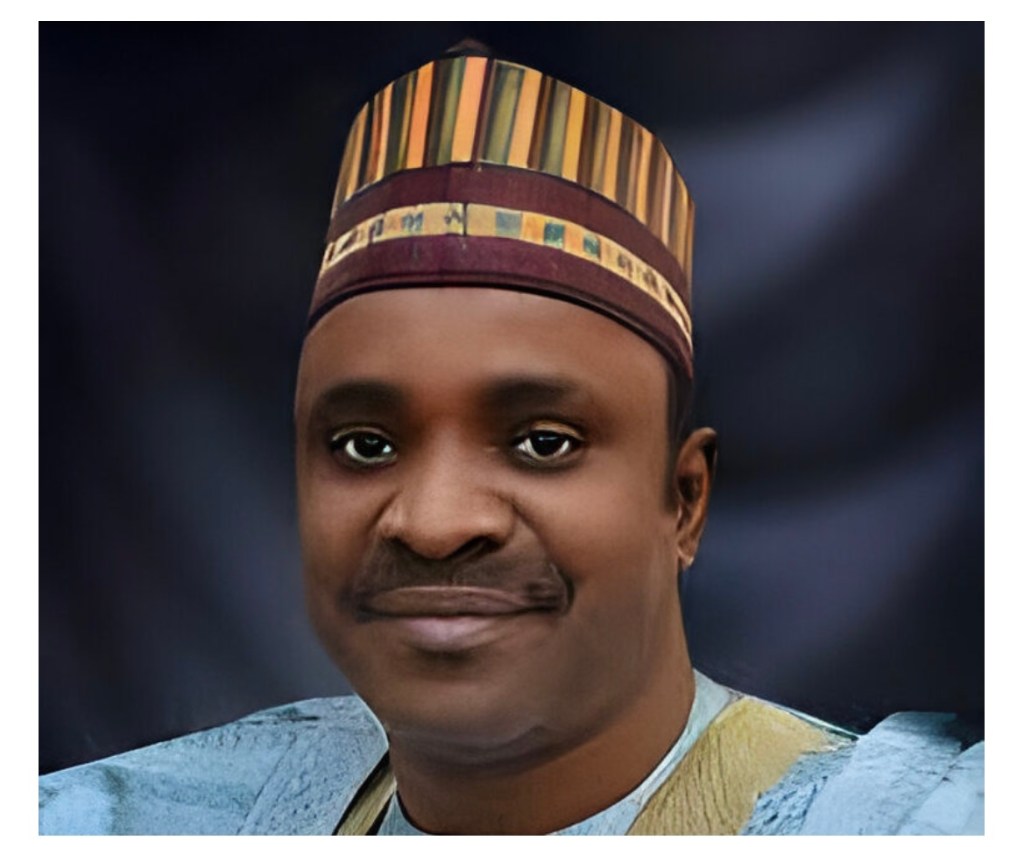
12. Yusuf Tanko Sununu
Mr Sununu is a member of the House of Representatives from the Yauri/Shanga/Ngaski Federal Constituency. He is an obstetrician and gynaecologist and a Minimal Access Surgeon at the Federal Medical Centre, Birnin Kebbi where he has served since October 2012.
He is the Head of the Laparoscopic Surgical Unit. Mr Sununu also served as the personal physician to the governor of Kebbi State at Government House Clinic Birnin Kebbi from May 2003 to Apr 2005 and as Medical Officer at General Hospital Argungu from Jan 2000 to Mar 2003.
Mr Sununu holds a Bachelor of Medicine, Bachelor of Surgery (MBBS), FWACS, FMAS, DMASMedicine, Obstetrics and Gynaecology, Minimal Access Surgery and is a Member of the Nigerian Medical Association (NMA), Member of the Society of Gynaecology and Obstetrics (SOGON), Life Member of the World Association of Laparoscopic Surgeons (WALS), and Member of the Medical and Dental Consultants of Nigeria
Mr Sununu was born on 2 February 1967. He was a Member of the Management Board of the Federal Medical Centre, Katsina (2013), and a Member of the Management Board of Usmanu Danfodiyo University Teaching Hospital Sokoto (2018).
14. Lola Ade John
Lola Ade John, a seasoned Information and Technology expert and a leader in designing, integrating, deploying, and managing core systems for global banking institutions.
She has led the integration and implementation of systems so as to facilitate corporate change management, increasing technology service delivery, and the strategic advantage of businesses while at the same time reducing business operating risks and costs in various banks in Africa.
15. Tahir Mamman
Tahir Mamman ,vice-chancellor of Baze University, Abuja and a member of the governing board of the Niger Delta Development Commission (NDDC)
In 2010, he became a board member of the International Association of Law Schools based in Washington DC. In September 2015, he was conferred with the rank of Senior Advocate of Nigeria (SAN). In recognition of his efforts, the Federal Government of Nigeria bestowed him with the national honour of Officer of the Order of the Niger (OON).
Mr Mamman was born in 1954 at Michika in Adamawa State. He holds a LL.B degree from Ahmadu Bello University in 1983 and was called to the bar in the Nigerian Law School in 1984. He obtained his Master’s degree from the University of Warwick England in 1987 and his PhD in 1990 from the University of Warwick, Warwickshire England.
Mr Mamman holds the chieftains titles of Dan Ruwata Adamawa Emirate and Dokajin Mubi of Adamawa.
16. Uba Maigari Ahmadu
Mr Ahmadu was a former Deputy Governor of Taraba State under the platform of the Peoples Democratic Party (PDP). He was impeached under controversial circumstances shortly after the 2003 elections. He served as deputy governor under Jolly Nyame of PDP who was governor of Taraba State between 1999 and 2007.
Mr Ahmadu is a lawyer by profession. He was Chairman of the APC Governorship and House of Assembly primaries for Borno State in the 2023 election.
17. Ishak Salako
Mr Salako is the Co-ordinator of the Ogun West Stakeholders Forum. He is a medical practitioner and former Commissioner for Health in Ogun State. He completed his residency study in the Department of Medicine at UCH and got his Fellowship from the West African College of Physicians in April 1990. He was hired as a lecturer and consultant nephrologist in the Department in March 1996. As a result of this appointment, he also gained an honorary position as a Consultant Physician & Nephrologist at the UCH. In 1999, he was promoted to senior lecturer.
In 2003, he was promoted to Reader, and in October 2006, he was made professor. Mr Salako completed a number of management and certificate programmes at the famed Lagos Business School in 2010, and in May 2016 he was named a Fellow of both the Royal College of Physicians of Edinburgh and London.
He was born on 23 July 1959. Between 1968 and 1973, Mr Salako attended Ansar-ud-deen Practicing School in Ota, and from 1973 to 1975, Ansar-ud-deen Secondary Modern School in Ota. From 1975 to 1977, he also studied at Ansar-ud-deen College Offa.
He studied at the former Kwara State College of Technology in Ilorin from 1979 to 1981 before earning his MBBS from the University of Ibadan in 1986. Between 1986 and 1987, Mr Salako served as a house physician for the Lagos State Health Management Board at Island Maternity Hospital, Mercy Street Hospital, and Lagos Island General Hospital. He completed the one-year NYSC service requirement in Imo State’s Isiala-ngwa Local Government Area.
18. Shuaibu Abubakar Audu
Mr Audu is the son of the first civilian governor of Kogi State, Abubakar Audu, who governed the state from 1992 to 2003. He is an Executive Director at the Stanbic IBTC Bank where he has worked for 20 years. He has both Corporate and Investment Banking as well as Asset Management experience.
Mr Audu holds an MBA from the University of Oxford (St. Hugh’s College) in the UK. He obtained his Bachelor’s and Master’s degrees from Leicester University, UK. His primary and secondary school education was done in Nigeria. He is married to the daughter of a senator, Jibrin Isah (Echocho), from Kogi East in the Senate
19. Zephaniah Jisalo
Jisalo is the first indigene of the Federal Capital Territory (Abuja) to be nominated for a ministerial position by an elected president. A ministerial appointment will continue a career in public service that has already seen him elected twice to the House of Representatives and also twice as chairman of the Abuja Municipal Area Council, which hosts the three arms of the Nigerian government.
Born on 3 April 1970, Mr Jisalo began his education at Garki Primary School, Abuja and graduated with a First School Leaving Certificate (FSLC). He proceeded to the Government Secondary School, Karu, Abuja where he obtained a General Certificate of Examination (GCE) and West African Senior Certificate (WASC). He had his tertiary education at the University of Jos, Plateau State and graduated with a Bachelor’s degree in Education. He also has an Advanced Diploma in Applied Psychology, a Diploma in Criminal Justice and Administration from the University of Jos, Plateau State and a Diploma in Public Relations from the Institute of Mass Communication and Technology. He also studied Government Policies, Planning and Implementation at the Thames Valley University in London, UK.
Mr Jisalo worked with INEC from 1990 to 2002 and was first elected AMAC chairman in 2004 and re-elected in 2007, holding the position until 2010. A year later in 2011, he was elected into the House of Representatives from Abuja Municipal/Bwari Constituency as a member of the PDP. In his first term in the House, he served on various House Committees, including Sports, Niger Delta Development Commission (NDDC), Defence, Customs & Excise, Appropriations, and National Security & Security.
He was re-elected in 2015 and served in the FCT Area Councils and Ancillary Matters Committee.
Mr Gwarzo was the deputy governor of Kano State in the second term of Governor Ibrahim Shekarau, from 2007 to 2011. He had served as the Special Adviser to the governor in Mr Shekarau’s first term from 2003 to 2007 all under the ANPP.
He defected to the defunct Action Congress of Nigeria (ACN) to run unsuccessfully for governor.
Mr Gwarzo had returned to Kano and joined politics after serving in the NYSC scheme. He participated in the political activities of the aborted Third Republic, as a member of the Social Democratic Party (SDP) under which, in 1991, he was elected as Chairman of Gwarzo Local Government. He served in the position until 1993 but returned as chairman of the council between 1997 and 1998.
Mr Gwarzo was born on 23 September 1960 at Koyar Getso in the old Gwarzo Local Government Area of Kano State. He started primary education at Gwarzo Day Primary School, graduating in 1977. Mr Gwarzo finished secondary school in 1982 and proceeded to Ahmadu Bello University Zaria to study Textile Engineering. He took a bachelor of Science (Tech) degree from the university in 1988 and observed the one-year mandatory national service with Asaba Textile between 1988 and 1989.
This is the deplorable state of Benin Sapele road, as at the yesterday evening the commuters expressed their pain and high degree of displeasure. “We are calling for the appropriate authority to visit this road as soon as possible”, the level of pain experience by resident of Benin city is unbearable due to the deplorable state of most major road.
According to some of the commuters, “this road has been in a very bad condition for years now and the government has turned their face away from it, they said it has hindered smooth flow of economic activities in the state since the road is cutting across main business hub in the state and also the major road that connect Benin city to the other south south states”.
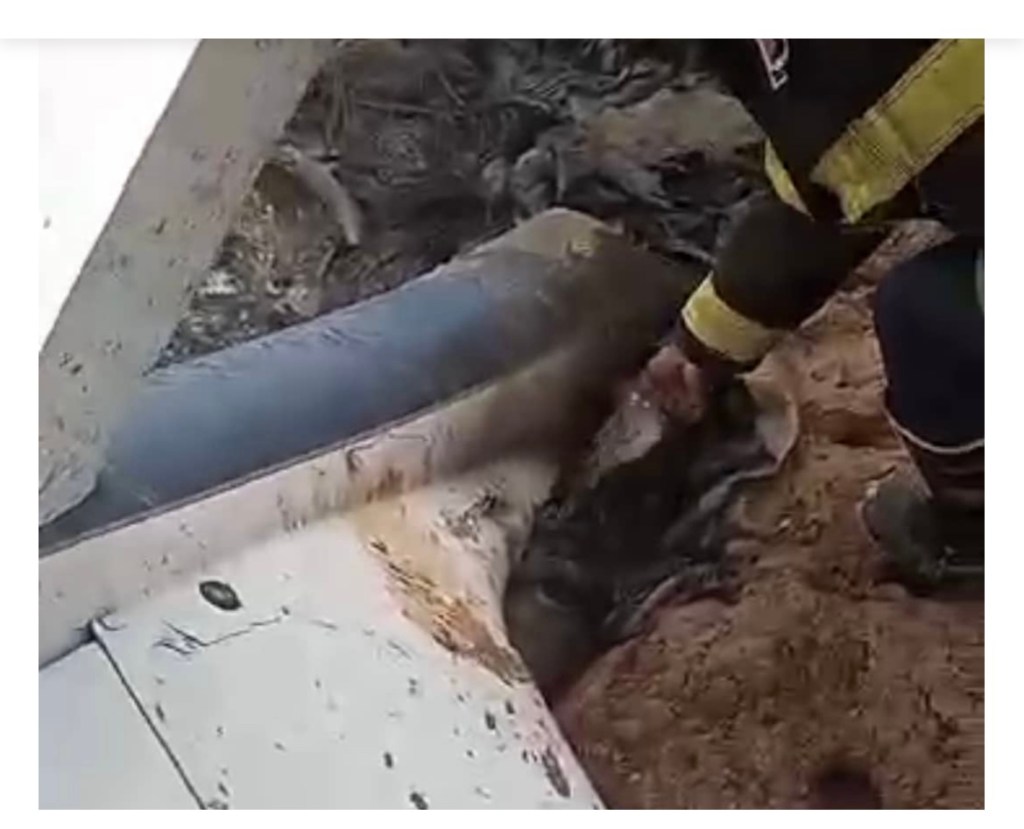
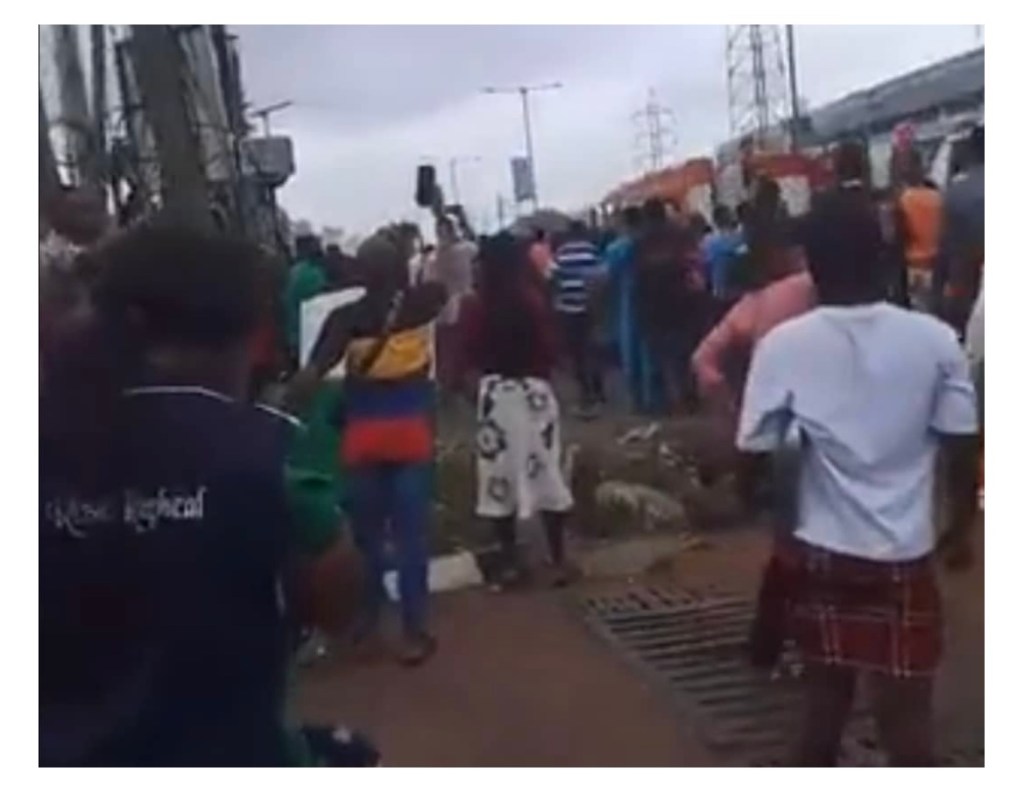
Four people narrowly escaped death today the after a helicopter crashed in the Oba Akran area of Ikeja, Lagos State.
The incident happened on Tuesday afternoon close to a branch of the United Bank for Africa in the area.
It was gathered that the chopper was used for training when it crashed into a building and went up in flames.
The Lagos State Fire and Rescue Services confirmed the incident.
The spokesperson for the agency, Amodu Shakiru, said the occupants sustained varying degrees of injuries. Watch video
He said, “The helicopter crashed into a building but nobody died. The helicopter was used for training and it has four occupants on board. They had an escort motorised team that was following them on the ground during the training routine exercise which is the standard protocol.”
“The motorised team was the first to arrive at the scene. The occupants sustained varying degrees of injuries and are currently receiving medical attention.







 Vswag space